How Life Shapes Design
Home design often begins where it’s easiest to find a reference. Images, moods, and materials. This is a natural starting point, as the visual layer is immediately impactful and easy to connect with. The problem isn’t the visuals, it’s that many design processes stop there. Decisions follow one another, becoming more refined and seemingly deliberate, yet the space never truly comes together. It never feels complete. The reason usually lies beyond aesthetics.
What is often missing is a layer we rarely talk about, how a space is actually used. Not in general functional terms, but through concrete, recurring patterns. Everyday life is made up of small, almost automatic gestures that often go unnoticed. Where do you pause when you enter? Where do you put what’s in your hands? Which path do you choose even when a shorter one exists? Where do you sit when you aren’t “using” the space but simply being in it? These patterns aren’t the result of conscious choice, yet they define how a space truly functions.
An interior begins to function beautifully when it aligns with these patterns. Not when we impose a preconceived notion of use, but when the design anticipates how life flows naturally. Most spaces, however, are built assuming an ideal use something that looks logical on a floor plan or fits conventional norms. In daily life, small deviations inevitably occur. You put something down slightly differently than intended, you move through the space in unexpected ways, you don’t use the space exactly as “designed.” Over time, these small discrepancies accumulate.
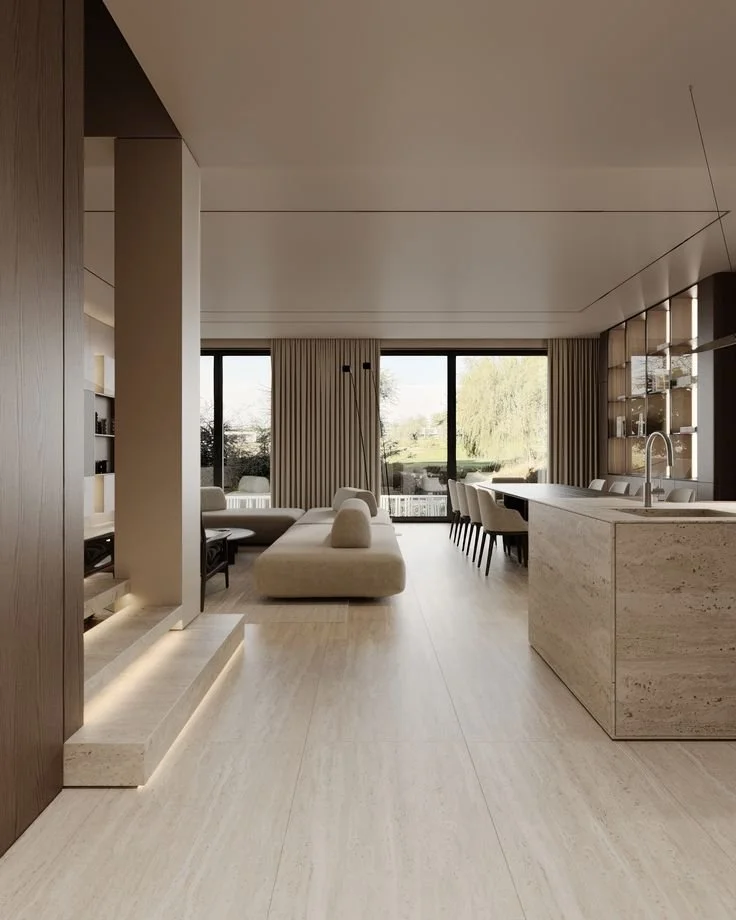
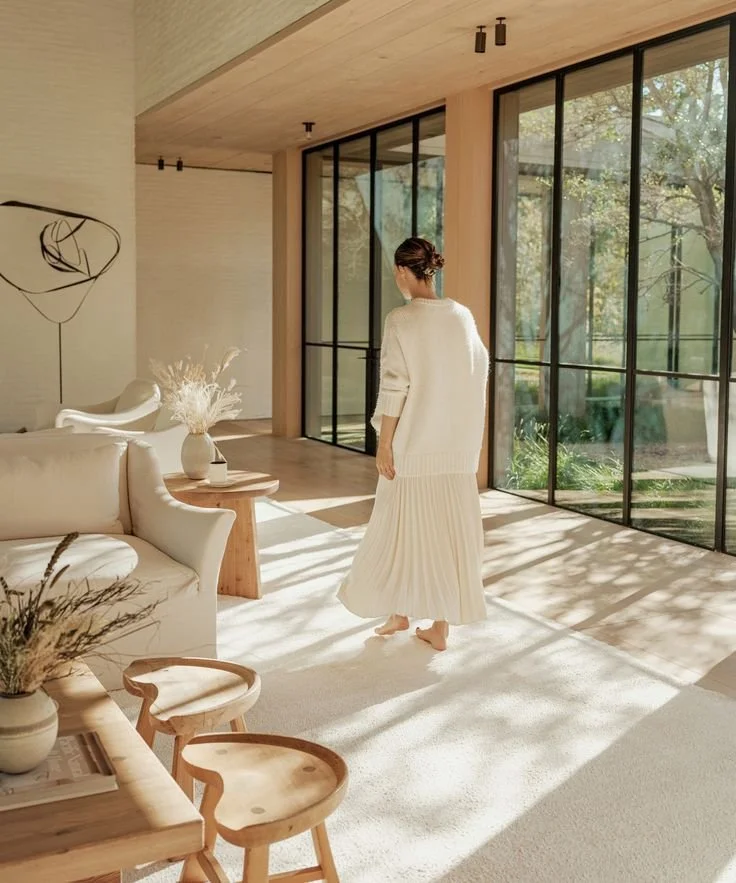
This is when a space can feel complete on the surface, yet remain uncomfortable. There’s no obvious problem, but a subtle, persistent urge to adjust. You move objects, rearrange corners, acquire new accessories, believing they bring a solution. In reality, it’s not a missing object you’re seeking, but a structure that responds to how you live.
The relationship between space and behavior is far closer than we often realize. It’s not only about you adapting to the space. The space continuously shapes your behavior. A poorly positioned transition interrupts movement, an unclear zone creates uncertainty, a cluttered surface subtly increases mental noise. These small shifts, repeated over time, shape how you feel at home.
When a design process starts from this deeper understanding, this layer is never overlooked. It’s not about what you need, but what already happens. How is your day structured? Where do recurring points appear? Which gestures repeat? From this emerges a spatial logic that informs every subsequent decision. Furniture placement becomes a consequence rather than an aesthetic choice. Proportions are justified by use, not by theory. The space begins to function as a unified whole.
In such a space, you don’t have to adapt. You don’t need constant fine-tuning. The persistent background tension disappears. The space supports how you exist within it.
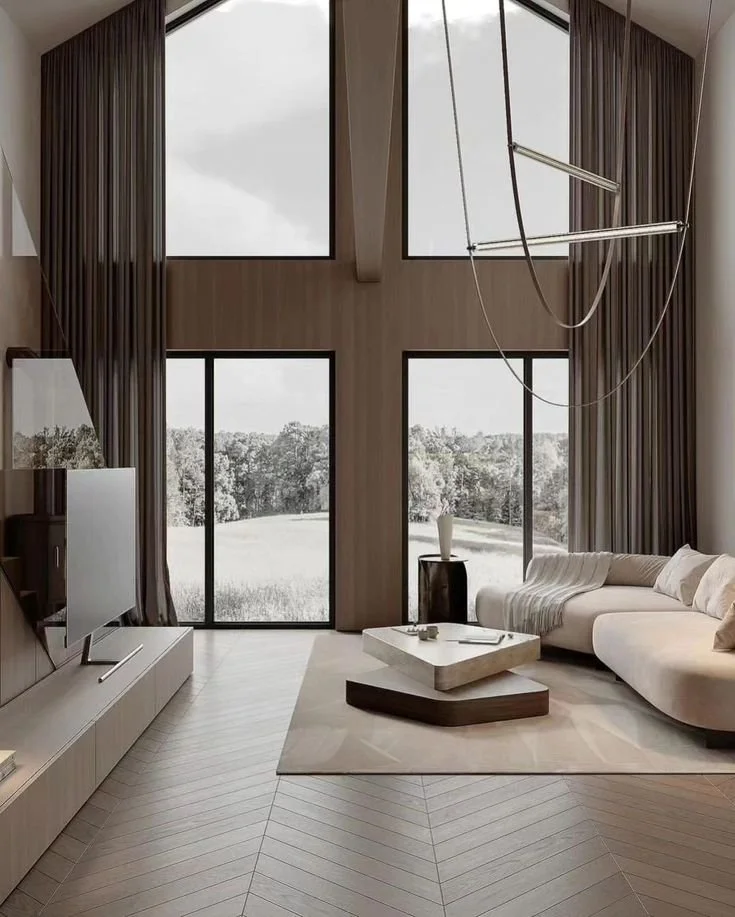

Once you start observing from this perspective, you’ll see your own home differently. You won’t focus on what’s missing, but on what doesn’t connect. You’ll think in terms of relationships, not objects, and design begins to operate on a higher level.
Ready to transform your home into a serene, elegant, and timeless space? Discover how light, materials, and everyday patterns create harmony in your interiors with The Foundations of a Calm & Beautiful Home ebook. Dive into practical guidance, expert insights, and step-by-step strategies that help you design a home that truly supports your lifestyle.